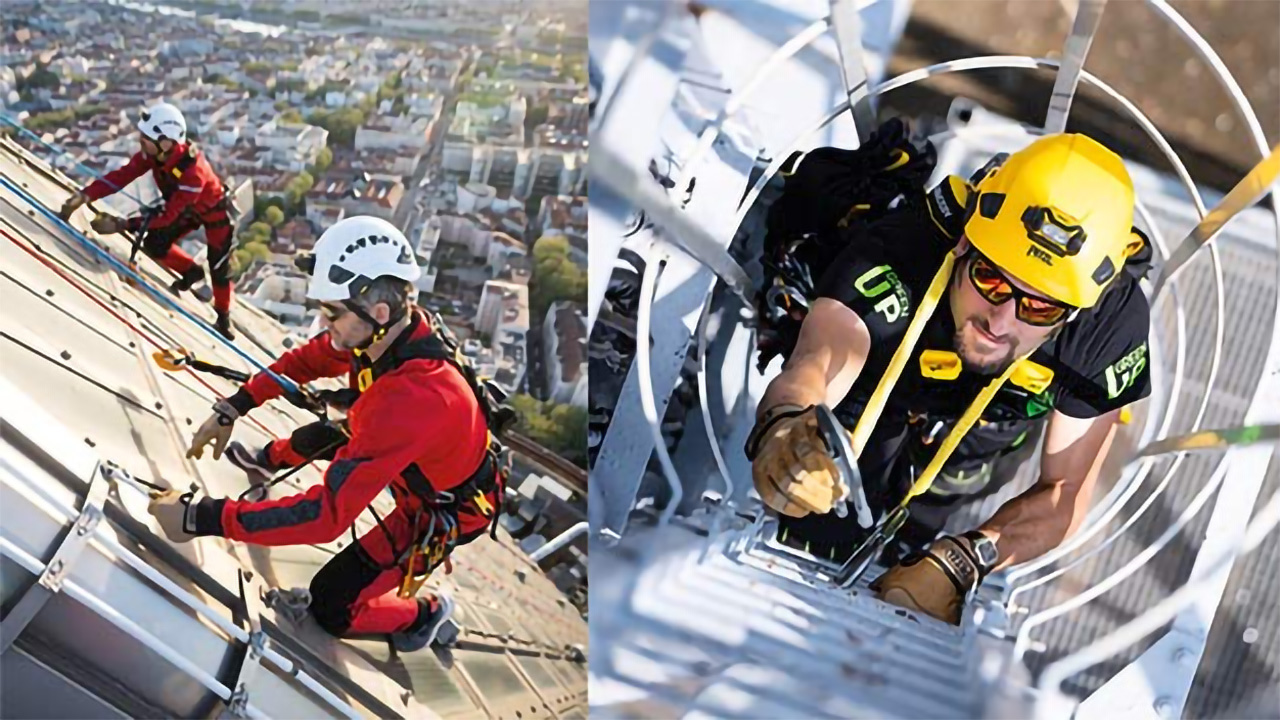
What’s New in the ASTRO, AVAO, VOLT, and SEQUOIA PLUS?
Petzl has updated several of its most widely used professional work harnesses, including the ASTRO, AVAO, VOLT, and SEQUOIA PLUS.


A Technician’s Perspective on Rope Rescue in Wilderness Search and Rescue
By Dale Stewart
In Part 1 of my three-part blog, I touched on understanding the competence levels we should be aware of when signing up for technical rope rescue (if you missed that, you can find it here). Today, I’m going to be a bit more pointed and call it how I see it. This technician’s perspective on rope rescue. When using the terms competent and incompetent, I’m not trying to personally attack anyone, especially with the use of the word incompetent; I’m attempting to express the levels in the theory of learning a new skill. Progression through the stages is necessary for competency and proficiency. With that said, here we go.
Let’s be open and honest with ourselves. Wilderness Search and Rescue (WSAR) can be a dangerous environment. When it comes to saving lives in remote and treacherous environments, there’s no room for incompetence. In this article, I’m going to share my observations as a seasoned technician and my perspectives on the dire consequences of lacking competent rope rescue skills. We’ll explore three major concerns I have with this issue and how it plays out in the field.
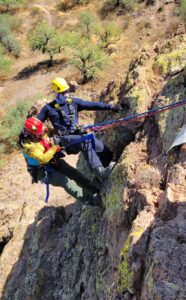
I’ve seen it all too often: entry-level techs who take a five-day “Awareness” class and think they can wing it in the wilderness without working at improving their rope rescue skills. Be honest! You know who you are! Technicians spot you in a heartbeat, even when you lie about the depth of what you think you know. The 5-day class gives them enough information for them to be at the conscious incompetence level of conscious learning, where they need conscious competence to be deployable. They still lack the knowledge or skill to be safe, let alone efficient; they continue to struggle with their foundation for knots, bends, hitches, or rescue anchors.
It’s infuriating how some folks underestimate the hazards of the wilderness. Incompetence breeds complacency, and that’s a recipe for accidents. As Rick Lipke points out in his “Technical Rescue Riggers Guide,” experienced technicians are more likely to spot potential dangers and deal with them before things go south.
Efficiency? Forget about it. When you’re dealing with a life-and-death situation, every second counts. But if you’ve got even one bumbling novice fumbling with ropes, trying to remember basic knots, and struggling to set up a simple anchor point, those precious seconds tick away fast. Tom Pendley’s “The Essential Technical Rescue Field Operations Guide” underlines how efficiency is crucial in WSAR, but incompetence slows everything down. This puts the rest of the team in jeopardy.
Oh, how I wish everyone would just read NFPA 1006 and 2500, the standards that lay down the rules for rope rescue and WSAR technicians that include requirements in negotiating specific terrain, hazard identification, and proper maintenance of PPE. Unfortunately, many don’t open the standards to read and learn what they are aspiring to, let alone train to standards they don’t even know exist. Some folks think they can take shortcuts, skip training, and still get the job done. It drives me up the wall!
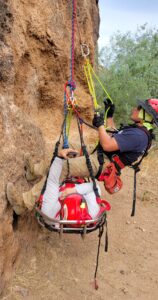 NFPA 1006 and 2500 are there for a reason—to ensure we have the knowledge and tools to be prepared. Ignoring these guidelines is not only irresponsible; it’s downright dangerous. They provide a complete list of training requirements for every level, leaving no guessing as to what your qualifications should and need to be.
If we don’t follow the standards, it’s like playing with fire. You can’t just gamble with people’s lives and hope for the best. The authors highlight that this standard isn’t something we should treat lightly, and I couldn’t agree more.
Dealing with incompetence during a WSAR mission is beyond frustrating; it’s infuriating. It’s not just about irritation; it’s about other team members relying on each other to be “competent.” We have no eraser on the pencil of a rescue team… no do-overs.
A study published by Michael Neeki and his colleagues in the “Journal of Emergency Medicine” confirmed what I’ve seen firsthand: incompetence leads to accidents, injuries, and unnecessary delays during rescues. Incompetent technicians make critical mistakes that put everyone at risk.
But here’s the thing—it’s not just about the physical toll. In “Wilderness Medicine” by Paul S. Auerbach and Tracy Cushing, they touch on the psychological scars incompetence leaves behind. Guilt, trauma, and doubt linger long after the mission is over. It affects all team members’ ability to perform effectively during WSAR operations.
Incompetence in rope rescue skills is a thorn in the side of everyone who depends on a team’s ability to be safe and efficient and ready to respond to a WSAR call to perform at a competent level. It compromises safety, kills much more than just efficiency, and goes against the very standards that exist to keep us all safe in the heat of battle. The repercussions are not just frustrating; they’re gut-wrenching and irresponsible.
It’s high time we put our adult pants on and recognize the gravity of the situation. WSAR teams should prioritize proper training, evaluation, and adherence to NFPA 1006 and 2500 standards. Otherwise, we’re not just letting ourselves down; we’re failing those who depend on us when it counts the most.
Let’s get our act together so we can genuinely save lives instead of wrestling with our own incompetence. We need to stop looking the other way when someone does not meet those standards and call them out to be better for all who operate on a WSAR team.
Petzl has updated several of its most widely used professional work harnesses, including the ASTRO, AVAO, VOLT, and SEQUOIA PLUS.

On June 16, CMC issued a Product Safety & Inspection Notice for CMC CSR2 Pulleys. The Affected Units include:

CAPTO Safety & Inspection Notice CMC has found certain instances where the thread locker that secures the CAPTO cam set
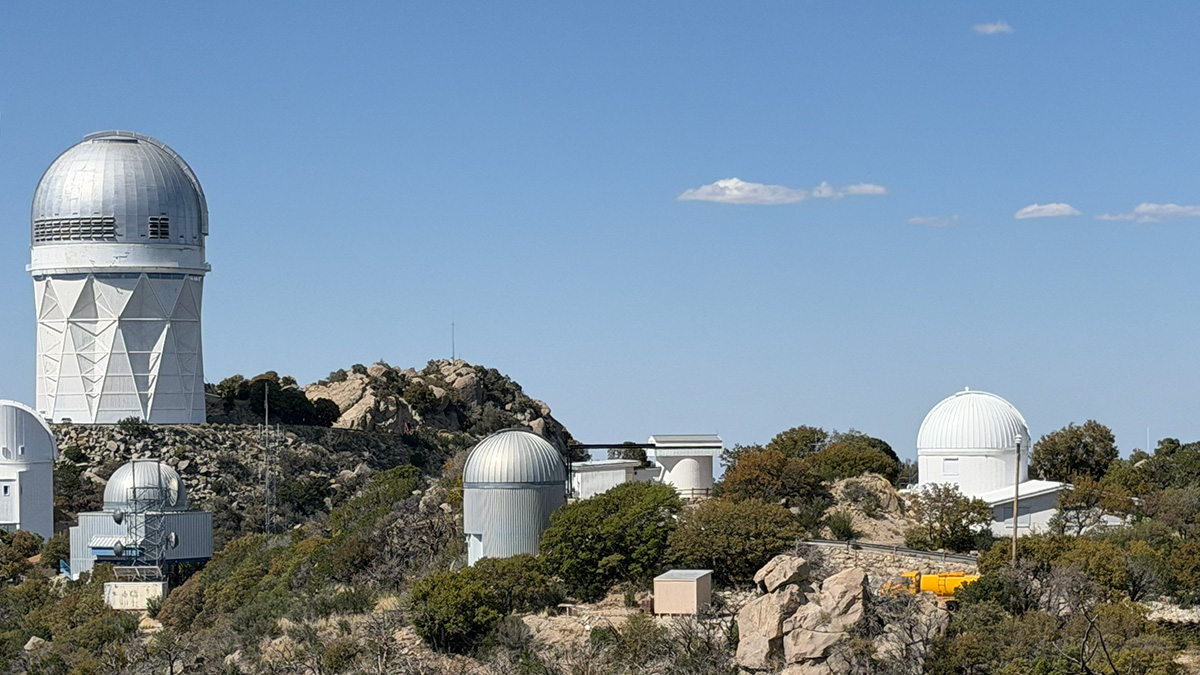
There are few places on Earth where the scale of human engineering and the vastness of the universe collide as