PARTNERS:

What are Hidden Forces?

The Mysteries of Rope Access Rigging

Rope access technicians face a variety of challenges when working at height, and understanding the forces at play is crucial for ensuring safety and efficiency. While some forces are easily identifiable, others remain hidden and can pose significant risks if not properly accounted for. In this article, we will explore the concept of hidden forces in rope access rigging and discuss how technicians can mitigate their impact.


Understanding Hidden Forces in Rope Access Rigging

Hidden forces are the forces that may not be immediately apparent when setting up a rope access system. These forces can result from factors such as friction, redirection, and mechanical advantage. Understanding these forces is essential for maintaining the integrity of the rope access system and ensuring the safety of technicians.


Friction and Its Impact on Rope Access Systems

Friction is a force that opposes motion between two surfaces in contact. In rope access systems, friction can occur at various points, such as between the rope and anchor points or within mechanical devices like pulleys. While friction can be beneficial in some cases, such as providing additional braking force in descenders, it can also lead to increased wear on ropes and equipment, as well as a reduction in overall system efficiency.

Redirection and Its Effects on Rigging Forces

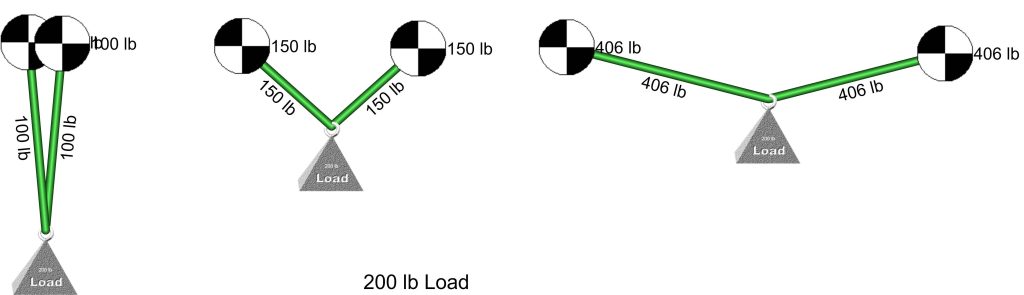
Redirection occurs when a rope is routed through a carabiner or pulley to change its direction. While redirection can be useful for navigating obstacles or optimizing anchor points, it can also introduce hidden forces into the system. When a rope is redirected, the angle created at the redirection point can amplify the forces acting on the anchor and the rope itself. Understanding these forces is crucial for selecting appropriate anchor points and managing the overall load on the system.

Mechanical Advantage and Its Role in Hidden Forces

Mechanical advantage is a concept that describes the amplification of force through the use of pulleys or other mechanical devices. In rope access systems, mechanical advantage can be used to make tasks easier, such as lifting heavy loads or tensioning lines. However, the increased force generated by mechanical advantage can also introduce hidden forces into the system, potentially leading to equipment failure or compromised safety if not properly managed.


Mitigating the Impact of Hidden Forces

To ensure the safety and efficiency of rope access systems, technicians must be aware of the hidden forces at play and take steps to mitigate their impact. This can include:


  1. Regularly inspecting and maintaining equipment to minimize friction-related wear.
  2. Selecting appropriate anchor points and considering the effects of redirection on rigging forces.
  3. Understanding the implications of mechanical advantage and managing the forces generated accordingly.
  4. Continuously updating training and knowledge to stay informed about best practices in rope access rigging.


Wrapping Up

Hidden forces in rope access rigging can pose significant risks if not properly understood and managed. By staying informed about these forces and taking steps to mitigate their impact, rope access technicians can ensure the safety and efficiency of their work at height.


If you’re not using a Rock Exotica Enforcer Load Cell to monitor your load systems, you won’t know what you don’t know.


What are your thoughts on hidden forces? Leave a question or comment.


Sam

Share the Post:

Contact

This field is for validation purposes and should be left unchanged.

Leave a Reply

Your email address will not be published. Required fields are marked *

Related Posts