Intro
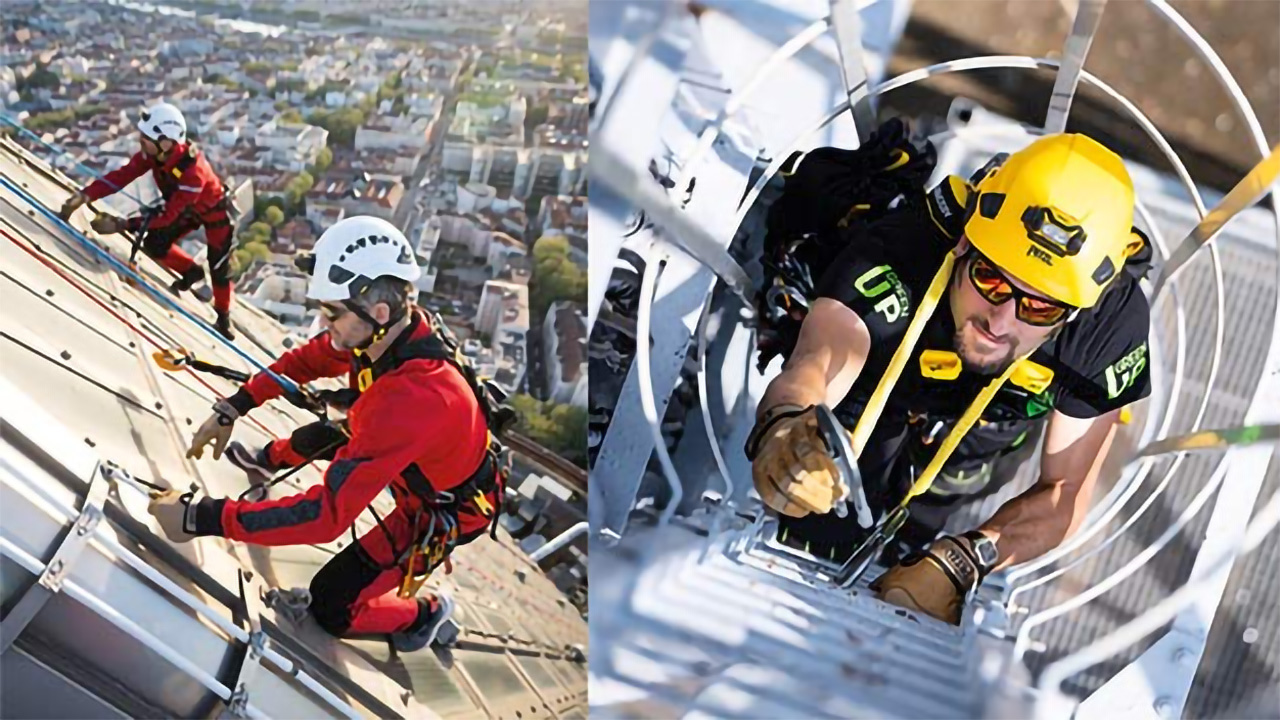
The Team Skills Rescue Workshop is ideal for industrial and wilderness rescue teams. This course begins where the Personal Skills Rescue Workshop concludes. It then moves into more demanding rescue practices and team-building skills. Together, this workshop and the PSRW offer the “90% solution” for most rope rescues in both industrial and wilderness settings. Lectures on intermediate physics and how it relates to rope rigging are common throughout the duration of this workshop. We place emphasis on “why” we do something, rather than “how.” Students, as a team unit, learn how to build seemingly complex arrangements for reaching, treating, and extricating a patient from the vertical high or steep angle environment, whether in industrial locations or in the wilderness. All the while, emphasis is placed on building everything from the basic materials most teams will have along: rope, carabiners, pulleys, accessory cord, webbing, and know-how.
Main Focus Areas
- Anchoring: This would include so-called “bombproof,” substantial, and marginal (contributory) anchors and anchor systems. It also covers anchor plates, rigging pods, bipods, and tripods (AZ VORTEX if applicable). In some TSRW, rock protection is thoroughly practiced within the program (if applicable).
- Physics: We teach “barn floor physics,” which covers anchor loading and directional loading. We conduct these lessons in the classroom using a whiteboard. A favorite part of the TSRW for many is that it brings home the importance of understanding force (compression and tension). These lectures reinforce the upcoming lectures on artificial high directionals with relevant discussions on component force vectors and resultant force vectors
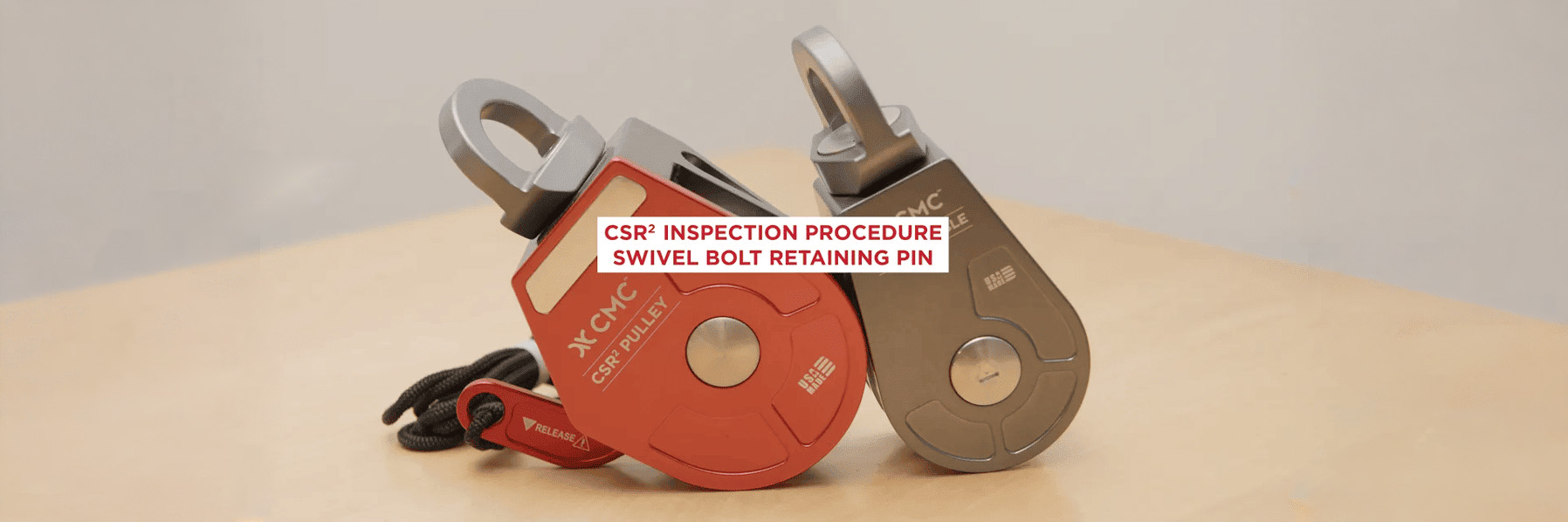
- Pulley Systems: Pulley system understanding is key to understanding what is happening in our rope systems. We delve into class 1, 2, and 3 pulleys. working and non-working systems, simple, compound, and complex pulley systems. We also cover the Arizona Progression of 7, a series of learn-by-rote pulley systems for the general rescue practitioner. These systems also produce varying loads on our anchors. Therefore, we also pay attention to tension units.
- High Directionals: (AZ VORTEX or other) This includes, in most TSRW, the use of the Arizona Vortex (frame) as a tripod, bipod, and monopod at the edge and for anchors back from the edge (see “Anchors” above). The user manual contains extensive lectures on the basic setups for this appliance. Extensive guying section for frames with the use of non-working pulley systems.
- High Angle Offsets: The TSRW includes an extensive lecture and practical section on alternatives to highlines in the form of “offsets.” In the past 25 years, Ropes That Rescue has become known for projecting these offsets. They offer an alternative to training-intensive highlines. Offsets use standard high-angle techniques, which most rescuers already know. Therefore, they are more forgiving in the training curve than more elaborate systems. These six offsets include a tag line, a guiding line, a tracking line, a skate block, a deflection line, and two ropes.
NOTE 1: Highlines are NOT covered in this program. If desired, please see Advanced Skills Rescue Workshop
NOTE 2: Limited steep-angle litter evacuations in this program. If desired, please see Tactical Wilderness Rescue Workshop
NOTE 3: Limited personal skills other than the first 8 uses of the AZTEK. For personal skills see Personal Skills Rescue Workshop
The Team Skills Rescue Workshop is not a beginner rope rescue program. Instead, it’s a serious venture. Practitioners will fully immerse themselves in rescue systems. For some less experienced individuals, this can sometimes feel overwhelming.